Non-conformance report: a practical guide for the industry

This guide on non-conformance reports explains, step-by-step, how to write an effective and traceable report. We cover definitions, typical situations (internal audit, customer complaint, supplier inspection) and the issues related to standards such as ISO 9001.
What is a non-conformance report and why do you need one?
A non-conformance report documents a discrepancy between a requirement (internal procedure, customer specification or standard) and the observed reality.
It is used to track the event, analyse the cause and manage corrective and preventive actions.
In industry, non-conformance management is a direct lever for reducing product risks and controlling costs.
The challenges are quality, regulatory compliance and operational performance.
Complying with ISO 9001, ISO 13485 or FDA requirements requires rigorous traceability of non-conformances.
What should the regulatory framework contain for your business?
Specify the applicable standard requirements, processing times and responsibilities.
Integrate the non-conformance report into the quality management system and internal audit procedures.
Measuring effectiveness involves clear KPIs: rate of recurring non-conformances, average closure time, effectiveness of CAPA.
Do you want to reduce customer returns and quality costs?
Structuring your reports correctly is the first step.
Standard structure of a non-conformance report
What should a good non-conformance report look like?
An effective report follows a simple logic:
identification
factual description
cause analysis
action plan
effectiveness check
This structure allows for traceability and accountability to be maintained at every stage.
Start with standard fields: reference, date, process concerned, product/batch, author.
Then, document the facts in a factual and verifiable manner, without hasty interpretation.
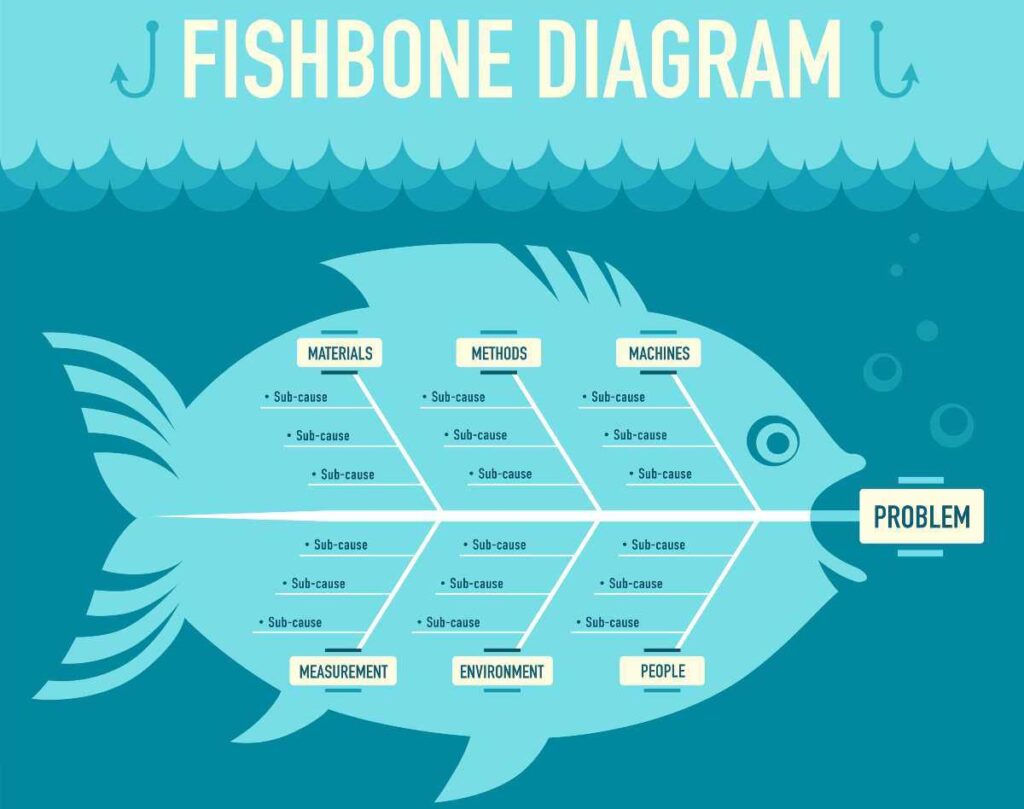
In the analysis section, use recognised methods such as 5 Whys or Ishikawa to get to the root cause.
The action plan must distinguish corrective actions (correcting the effect) and preventive actions (preventing recurrence), in other words CAPA.
Finally, plan a verification phase and a closing date.
This template facilitates auditing, management reviews and integration into quality management software.
Would you like a standardised template that is ISO compatible and operational today?
We can assist you in industrialising this format.
Identification and description of the non-conformance in the non-conformance report
How to write the identification and description section of the non-conformance report?
Identify precisely the location, date, batch, process and personnel concerned.
Enter a unique reference to ensure traceability and facilitate the link with tracking files and audits.
Describe the facts factually:
who observed it
how
what evidence is available (photos, measurements, test reports)
Indicate the non-compliant criterion (customer specification, internal document or standard) and the severity of the non-conformance.
Avoid judgements and vague wording; prefer short sentences and measurable elements.
Annex the evidence and reference it in the report to ensure quick reading by the auditor.
This rigour facilitates cause analysis and accelerates action.
The quality of this section determines the relevance of the CAPA implemented.
Corrective and Preventive Action (CAPA) plan of the non-conformance report
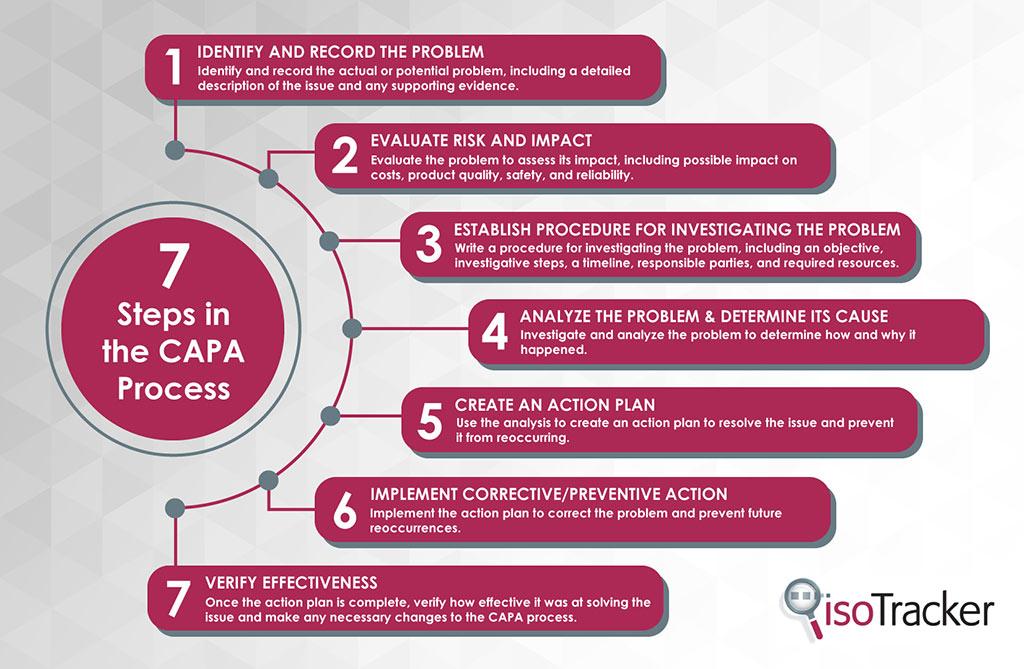
What should an effective action plan in your non-conformance report contain?
Each action must be described, dated, prioritised and assigned to an identified owner.
Distinguish corrective action (correcting the observed anomaly) from preventive action (eliminating the root cause).
For each action:
define a measurable success indicator
set a firm deadline
Use simple methods to assess the impact: expected reduction in the non-conformance rate, reduction in cost or elimination of the risk.
Plan a post-implementation review to verify effectiveness and record the evidence of verification.
Document necessary procedural changes, staff training or technical modifications.
Integrate these actions into your quality system or your non-conformance management software to ensure traceability.
Good tracking of CAPA turns a non-conformance report into a source of continuous improvement.
Would you like to automate action tracking and reminders?
We offer solutions to industrialise this cycle.
Four examples of industrial non-conformance reports
Aerospace

Scenario: a structural component shows a crack detected during a pre-assembly inspection.
Immediately document a non-conformance report with batch reference, control plan, photos and non-conforming measurements.
Specify the safety criticality and risks for commissioning.
Analyse with Ishikawa and 5 Whys to isolate the root cause (material, machining process, storage).
Typical CAPA actions:
quandantine of the batch
extended inspection
modification of the inspection procedure
operator training
Indicators to monitor: non-conformance rate by supplier, average closure time, number of non-conforming samples after action.
Keep all evidence for audit and traceability according to ISO 9001 and aerospace requirements.
We recommend integrating the report into the batch record and the PLM.
Automotive

Scenario: machined part out of tolerance flagged by final control.
Draft the non-conformance report mentioning part reference, routing, operator and measurements.
Assess the impact on safety and customer compliance (FMEA if necessary).
Analyse the cause (tooling, machine settings, raw material).
CAPA:
machine recalibration
100% inspection of the batch
supplier correction
update of the control plan
KPIs: scrap rate, cost of quality, mean time to resolution.
Ensure customer traceability for complaint management.
Energy

Scenario: insulation failure detected on an electrical component during verification.
Open a non-conformance report specifying test conditions, severity and impact on operational continuity.
Root cause analysis: complementary testing, design reviews, supplier verification.
Actions:
preventive recall
redesign of the component
strengthening of incoming controls
update of specifications
Monitor effectiveness using in-service failure indicators and customer service returns.
Integrate the report into the risk management system.
Chemical

Scenario: batch showing purity below customer specification.
Complete the non-conformance report with chemical analysis, test method and origin of raw material.
Identify the root cause (mixing, cross-contamination, supplier).
CAPA:
quarantine placement
market recall if necessary
strengthened cleaning procedures
supplier audits
KPIs: non-conformance rate per batch, quarantine duration, cost of recalls.`
Best practices for writing and tracking a non-conformance report
Factual and concise drafting
Unique reference per report
Clearly indicated non-compliant criterion
Evidence systematically attached
Distinction between corrective / preventive
Owner and deadline defined
Measurable success indicator
Documented post-implementation review
History preserved for ISO audits
Automate reminders and reporting via non-conformance management software.
Frequently asked questions about non-conformance reports
What is the difference between a non-conformance and an incident?
Non-conformance = deviation from a formal requirement.
Incident = event likely to generate a non-conformance.
What is the processing time?
Define internal SLAs according to criticality.
Who signs the report?
Author, process owner and quality manager.
When to close it?
After implementation of CAPAs and documented verification of their effectiveness.
Which standards?
ISO 9001, ISO 13485, FDA requirements depending on the sector.
Turning non-conformances into a lever for sustainable performance
A well-structured non-conformance report is not limited to meeting an ISO requirement or preparing for an audit.
It constitutes a central tool for reducing risks, controlling the costs of non-quality and durably improving industrial processes.
By clearly formalising the facts, analysing the root causes and rigorously managing CAPAs, teams shift from a reactive mindset to a preventive and measurable approach.
Each non-conformance then becomes a source of learning and a stepping stone for continuous improvement.
The key to success rests on three pillars:
Standardisation of the format and analysis criteria
Full traceability of evidence and decisions
Indicator-driven management to measure the real effectiveness of actions
In industrial environments subject to strong regulatory requirements, this rigour strengthens credibility during audits, secures compliance and improves the trust of customers and partners.
To go further, digitising the non-conformance report saves reliability and responsiveness.
A dedicated tool facilitates the collection of evidence, action tracking and reporting to quality committees and management, while lightening the administrative burden on field teams.
👉 Shift from passive non-conformance management to structured, results-oriented control.
Ready-to-use templates and digital solutions exist to assist you in this transformation and durably anchor quality at the heart of industrial performance.
Continue reading
The latest innovations in Industry 4.0