TPM & Lean Management Method: complete guide to deploying the 8 pillars and boosting OEE
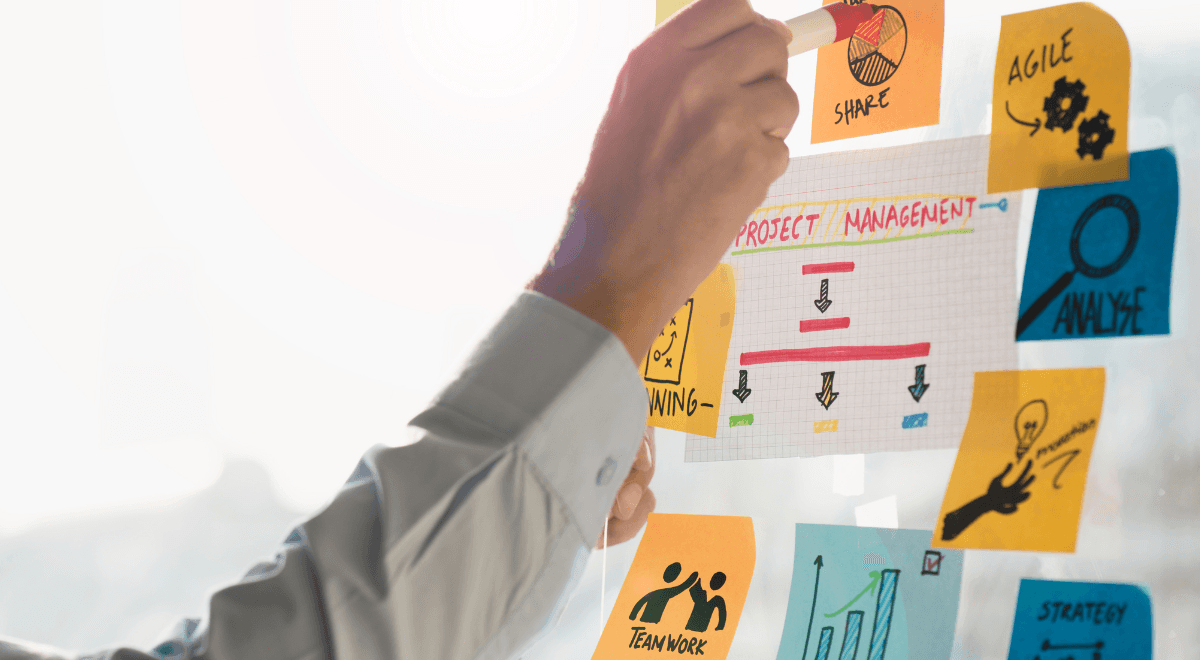
Adopt the TPM lean management method: increase productivity, reduce breakdowns and improve quality. Practical guide, key steps and concrete tools.
Are you looking to reduce machine downtime, improve quality and increase OEE without spiralling operational costs?
The TPM lean management method is the operational answer that quality and production managers are looking for.
TPM, or Total Productive Maintenance, originated in the automotive industry at Nippondenso to integrate maintenance and production.
It is based on eight pillars (autonomous maintenance, planned maintenance, Kaizen, 5S, safety, training, preventive management, TPM management) to make equipment more reliable and more productive.
This article will show you in concrete terms how to deploy the TPM lean management method in a demanding industrial environment.
You will learn how to diagnose equipment condition, train teams, manage by KPIs (OEE, MTBF, MTTR) and launch effective Kaizen plans.
We will also explain how to integrate digital tools (CMMS, IoT sensors, dashboards) to transition from reactive maintenance to predictive maintenance.
Ready to transform maintenance into a Lean performance lever?

Defining the TPM Lean Management Method
What does the TPM lean management method cover?
What exactly does the TPM lean management method cover and why adopt it now?
TPM aims to maximise equipment availability and performance by empowering all players.
It originated in the Japanese automotive industry, notably at Nippondenso in the 1960s, and was then structured around Lean principles.
The objective is twofold:
reduce losses related to breakdowns and defects,
evolve the operational culture towards continuous improvement.
The TPM lean management method combines autonomous maintenance, planned maintenance and Kaizen to achieve operational excellence.
It directly impacts key indicators: OEE, MTBF, MTTR, scrap rate and maintenance costs.
The Core Pillars of TPM
Autonomous maintenance & planned maintenance
The TPM lean management method relies on eight pillars, but two of them structure everyday operations:
autonomous maintenance
planned maintenance
Autonomous Maintenance
Operators take charge of cleaning, basic checks, adjustments and early detection of anomalies.
Planned Maintenance
Preventive interventions follow schedules based on criticality, MTBF and MTTR.
The combination of both reduces machine variability, improves reliability and engages teams.
Continuous improvement (Kaizen) & quality management
Kaizen is at the heart of the TPM lean management method.
Every identified drift becomes an opportunity for continuous improvement.
Quality management reinforces these actions via:
controls at source
regular reviews
KPI driving
With this, TPM aims not only at repair but at the sustainability of gains.

Key Benefits of TPM for Lean
OEE Optimisation and Cost Reduction
The first visible gains concern OEE:
downtime reduction
performance increase
quality improvement
TPM also reduces:
unplanned downtime
emergency costs
spare parts requirements
safety incidents related to failures
The KPIs OEE, MTBF, MTTR make gains manageable and tangible.
Key Steps for a Successful TPM Deployment
1. Initial Diagnosis
Mapping of downtime
Histograms and Pareto analysis of breakdowns
Criticality analysis
2. Training and Awareness
Training covers:
autonomous maintenance
visual checklists
KPI reading
3. Kaizen Action Plan
Prioritisation by criticality and ROI.
This plan structures your first TPM sprints.

Management by Indicators: OEE, MTBF, MTTR
Management is central to the TPM lean management method.
Implement:
visual dashboards
daily stand-ups
weekly KPI reviews
monthly committee
Automate data collection to make data reliable.
Kaizen Action Plan, 5S and Prioritisation by Criticality
Kaizen sprints are based on:
Pareto of breakdowns
criticality
OEE impact
Start with 5S projects, then document each action (root cause, solution, gains).
Monitoring, Adjustments and Periodic Audits
quarterly/half-yearly audits
monitoring of OEE & scrap gains
adjustments to maintenance plans
management reviews
TPM works when it combines rigour + field feedback + audits.
Digital Tools to Manage TPM
Digitalisation = TPM accelerator:
dynamic dashboards
GMAO / CMMS
IoT sensors
predictive maintenance
Prioritise ergonomics and integration before deployment.
TPM vs Other Lean Methods
TPM is complementary to:
5S
SMED
Kanban
VSM
Kaizen
TPM ensures machine reliability, which is a prerequisite for getting the best out of Lean tools.
Industrial Examples and Case Studies
Example A: automotive line → -40% downtime in 12 months
Example B: packaging → +15 pts change in OEE and -30% MTTR
Example C: food processing → -25% rejects in 6 months
Results come from rigorous KPI management and the mix of autonomous + planned maintenance.

FAQ and Myths around TPM
Myth 1: Reserved for large industries
→ False, scalable to SMEs.
Myth 2: Expensive
→ Fast ROI (downtime, scrap, emergency interventions).
Timeframe for first results:
→ 3 to 6 months for micro-downtime
→ 12 to 18 months for structural OEE gains
Conclusion
The TPM lean management method increases availability, stabilises quality and reduces costs.
To sustain gains over the long term:
start with a pilot line
measure OEE/MTBF/MTTR
deploy 5S + autonomous maintenance
structure TPM governance
digitalise KPI collection
We offer a demo to discover how our platform facilitates TPM management, automatic collection and predictive maintenance.
Contact us to schedule a pilot diagnosis.
Continue reading
The latest innovations in Industry 4.0