Digitisation ≠ digital transformation: the confusion that is costing industry dearly
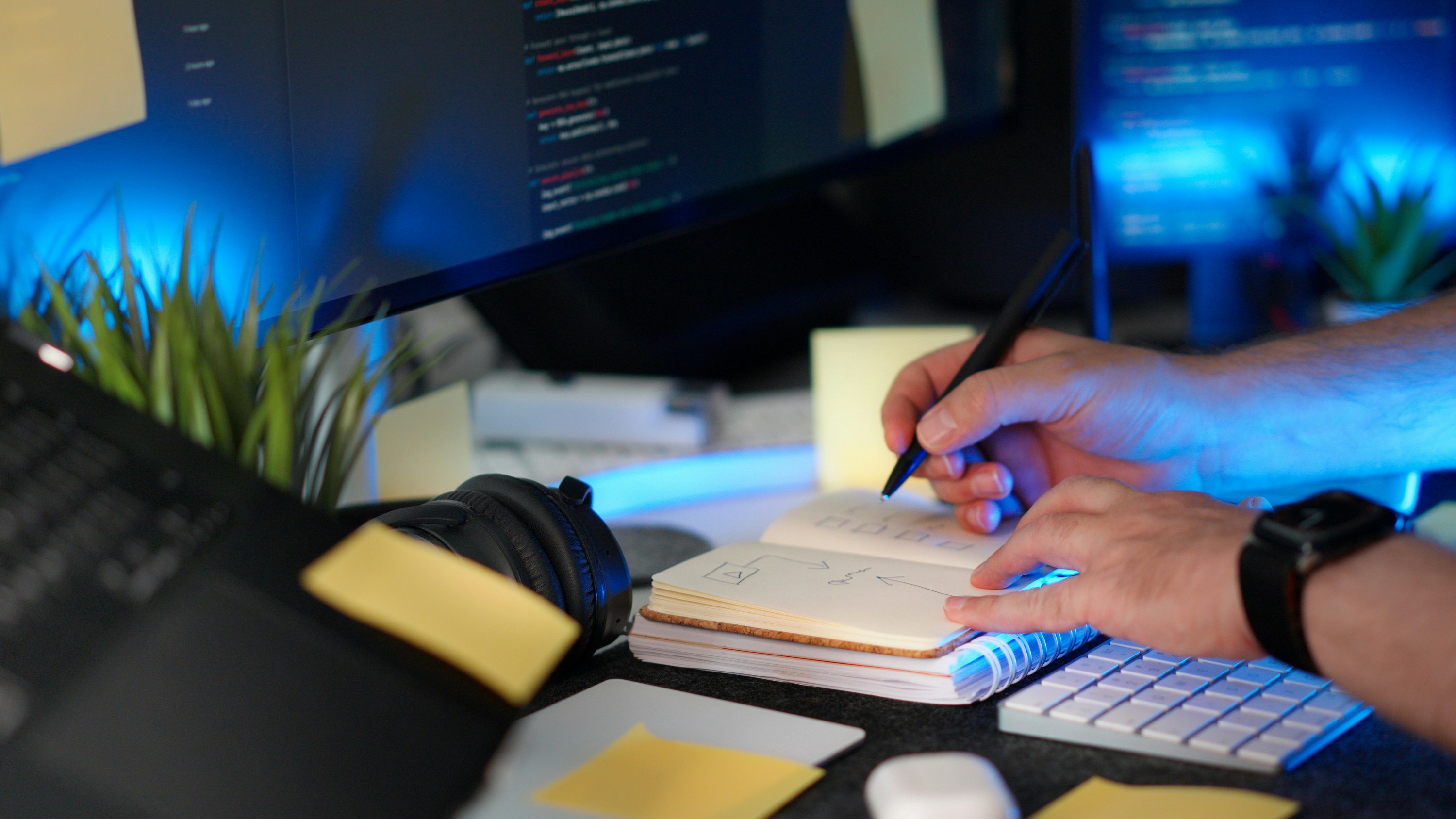
In many factories today, the digital revolution looks like this: ask a line operator what they use the most, and it is almost certainly paper, not tablets, dashboards, or digital workflows. We have invested in software, deployed platforms, and equipped teams. And yet, the shop floor continues to run on pens and Post-it notes. This paradox alone sums up one of the biggest misunderstandings in the industry. The problem is not a lack of technology. It is the confusion between two things that are believed to be identical, but are not: digitalising and transforming.
Two words, two realities
To digitalise is to convert an existing process into a digital version. Replacing paper with an online form, the filing cabinet with a cloud, the Excel spreadsheet with dedicated software. The action is concrete, visible, reassuring. You immediately see what has changed.
To transform is something else entirely. It means rethinking how the organisation decides, learns and improves, using digital technology as a lever and not as an end in itself. It is a change of operating model, not a change of tool.
The nuance may seem theoretical. In reality, it is decisive. Digitalising a bad process makes it faster, not better. You accelerate in the wrong direction. You automate inefficiency instead of correcting it.
If the confusion is so widespread, it is precisely because digitalisation is easy to measure and show. You can display the number of tools deployed, documents scanned, modules activated. Transformation, on the other hand, is diffuse, cultural and much more difficult to manage. So we do the former believing we are achieving the latter.
The real cost of confusion
The figures tell a troubling story. Only 20% of French manufacturers consider their digital transformation to be a success. In other words, four out of five projects disappoint those who led them.
The observation is all the more striking as France is starting from a low base. Only 8% of French companies have truly begun their digital transformation, and only 6% consider themselves 100% digitalised. The investment is there, the intention too, but the results do not follow.
Why? Because we confuse buying a tool with a change in practices. The result: costly, underused platforms, teams bypassing official systems to go back to their Excel spreadsheets and emails, and a return on investment that never comes. Indeed, 39% of industrial companies state that the lack of digital skills has directly impacted their growth. The problem is not just technological. It is human and organisational.
Why transformation fails where digitalisation succeeds
The first reason is almost always the same: change management is the poor relation of all these projects. Yet it is the pillar where 70% of successes and failures are decided. You install the tool, you announce the launch, and you wonder why practices do not change. But software does not transform an organisation. It is the usages that transform it, and usages require support.
The second reason lies in the "IT project" trap. Transformation is treated as a technical deployment with a start and end date, whereas it is a continuous evolution. You deliver the system, tick the box, and move on. But an organisation that does not keep learning from its tool has transformed nothing at all.
The third reason is disconnected operations on the ground. When tools are designed far from the operators, by teams who do not live their day-to-day reality, they create friction instead of removing it. And faced with friction, humans always make the same choice: they go back to what works. Hence the return to paper, Post-it notes and parallel workarounds.
Finally, data is often poorly exploited. Digitising data is useless if it remains in silos, unreadable, never cross-referenced. You accumulate information without ever drawing intelligence from it.
What real transformation produces
A successful transformation is not measured by the number of tools deployed. It is measured by the speed at which the organisation improves.
Concretely, this translates into faster decisions made with more context. By capitalising on collective experience, accessible to everyone and not just the most senior experts. By an organisation that learns from every event instead of repeating its mistakes.
This is where artificial intelligence, properly understood, changes the game. Not by adding another layer on top of an existing tool, but by integrating into the heart of workflows to genuinely transform the way people work. An AI that analyses, connects, anticipates, and makes past experience immediately useful to the present.
The case of industrial quality
Quality management perfectly illustrates this distinction. Many organisations have "digitalised" their non-conformities by replacing Excel with an online form. On paper, it is progress. In reality, the fundamental problem remains untouched: the data still does not talk to each other, recurrences are not detected, and teams start from scratch with every incident.
Transformation, the real kind, begins when AI analyses the history, detects patterns, and proposes decisions based on what the organisation has already resolved. Quality then ceases to be a digitalised process to become a performance lever that learns continuously.
The question that separates the two
The real question is not "have we digitalised our processes?" but "is our organisation deciding better, faster, by learning from its experience?"
As long as the answer is no, we have not transformed. We have simply digitalised what was on paper. And in a context of ramping up production and increasing regulatory pressure, this is quite simply no longer enough.
Continue reading
The latest innovations in Industry 4.0